Ways to Manage Pests Without Chemicals in Ottawa
What does pest control without chemicals mean?
A chemical-free approach means dealing with pests through early action, keeping pests out, cleanliness, checking, and removal techniques that do not rely on traditional pesticides. For homeowners looking for pest control Ottawa solutions, this approach often focuses on keeping pests away before they settle in, rather than treating an infestation after it grows. It is also closely aligned with city of Ottawa pest control guidance that emphasizes property maintenance, proper waste handling, and reducing conditions that attract pests.
In practice, non-toxic pest control usually includes integrated pest management, a strategy that combines thorough checking, reducing nesting areas, mechanical traps, and targeted repairs. The goal is to prevent infestations while reducing danger to children, pets, and beneficial wildlife. This is especially useful in Ottawa, where cold winters, snow, and freeze-thaw cycles can push rodents indoors and create new gaps around foundations.
Mosquito Man Ottawa185 Claridge Dr, Nepean, ON K2J 5G8, Canada
+16136999325
https://maps.app.goo.gl/S2ACHq7LaozDoqS66
77P8+45 Nepean, Ottawa, ON, Canada
Instead of starting with sprays, you find out where pests are entering, what is attracting them, and how to block access. That may mean using rodent-proofing, improving sanitation habits, removing food sources, and applying exclusion methods that reduce pest pressure over time. A good chemical-free plan is not passive; it requires inspection, maintenance, and follow-through.
How do you prevent pests from entering?
If you have been searching for pest control near me, you may already know that prevention is usually cheaper and simpler than dealing with a full infestation. The strongest first step is a thorough home inspection that looks for entry points around doors, vents, utility penetrations, rooflines, and the foundation. In Ottawa, those openings can expand over time because of winter expansion and spring thaw, making seal cracks and gaps a priority.
Home sealing is one of the most reliable chemical-free barriers. Use caulking, steel mesh, door sweeps, and durable sealants around common access areas. Pay close attention to weather-exposed spots on older homes in areas like Centretown, Westboro, Kanata, and Orleans, where settling and seasonal movement can leave small access routes for mice and insects.
Weather stripping around exterior doors, garage doors, and basement doors is another simple but reliable barrier. Even a small gap under a door can invite rodents, ants, or spiders inside. Remember that pests often follow air leaks, moisture, and food odours. If you can block those routes and reduce attractants, you can significantly lower the chance of pests moving in.

A practical prevention routine includes:
- Examining basement windows, utility lines, vents, and sill plates for gaps.
- Installing tight-fitting screens on openings where needed.
- Replacing damaged seals before winter arrives.
- Leaving exterior doors closed and garage clutter to a minimum.
What are the best eco-friendly approaches to deal with typical Ottawa pests?
For pest control Ottawa mice issues, the best natural strategy is usually sealing entry points plus capture. Ottawa’s winters drive rodents indoors, and once they find a warm space, protection, and a food source, they can be challenging to remove. Start by identifying the primary travel paths along walls, behind appliances, and near stored items. Then combine rodent exclusion with monitoring traps to spot ongoing activity.
For ants, the first step is to find the route and the food source. Clean the area carefully, remove sugary spills, and store food in sealed containers. Natural deterrents may help interrupt trails, but the real solution is source removal and sealing access. Ants are especially common in spring and early summer when seasonal pest activity increases.
Spiders are often a sign of other insects or quiet areas where they can hide. Reducing clutter, vacuuming corners, and lowering indoor insect activity can make a big difference. Spiders are usually more manageable to manage when you reduce harbourage in basements, garages, and storage rooms.
For rodents, food access and nesting materials are most important. Dry pet food, bird seed, paper, cardboard, and garbage can all support a hidden population. In Ottawa homes, especially in suburban neighbourhoods with nearby green space, you may need a combination of natural pest deterrents, entry sealing, and trap-based control.
Natural methods work best when they are part of a broader plan. A single action rarely solves the problem, but combined steps can create lasting results without chemicals.
How do you control pests within the kitchen and pantry?
The kitchen is one of the primary places to apply sanitation because it offers food, water, and shelter. Good food storage is crucial: keep dry goods in hard containers with secure lids, wipe crumbs immediately, and avoid keeping pet food out overnight. These small sanitation habits can greatly reduce the chance of mice, ants, and pantry pests finding a reason to stay.
Monitoring is just as important. Use sticky notes, visual checks, or monitoring traps in low-profile locations to track activity. Signs like droppings, gnaw marks, grease trails, and damaged packaging can reveal where pests are moving. When you notice activity early, you can respond before it becomes a more serious infestation.
Trap placement matters if you want results. Place traps along walls, behind appliances, near pantry corners, and close to suspected runways rather than in the center of open rooms. Mice and rats prefer to travel near edges, so strategic placement increases effectiveness. Make sure traps are set in safe areas away from children and pets.
To keep kitchen conditions less attractive:
- Scrub behind fridges, ovens, and dishwashers regularly.
- Empty garbage frequently and rinse recycling containers.
- Store grains, cereal, and baking supplies in sealed bins.
- Check pantry shelves for spills or torn packaging.
Which outdoor changes help reduce pests around your home?
Outdoor control is frequently a very overlooked part of chemical-free pest control. Thoughtful landscaping can cut down on shelter, food, and moisture near the home. Leave shrubs trimmed away from siding, raise wood piles off the ground, and avoid dense plantings directly against the foundation. These changes help reduce harbourage for rodents, spiders, and insects.
Moisture control is important because many pests are attracted to damp soil, leaking fixtures, and standing water. Ensure downspouts direct water away from the foundation, gutters are clear, and basement leaks https://oakville-onai404.lucialpiazzale.com/what-is-the-difference-between-pest-removal-and-pest-prevention are repaired promptly. In Ottawa, snowmelt and spring rain can create persistent dampness around foundations, so drainage matters year-round.
Garbage management also has a significant impact. Use tightly sealed bins, clean garbage areas regularly, and avoid leaving bagged waste outside for long periods. The City of Ottawa’s public guidance on waste storage and property maintenance supports this type of prevention because poor waste management can raise nuisance pest issues.
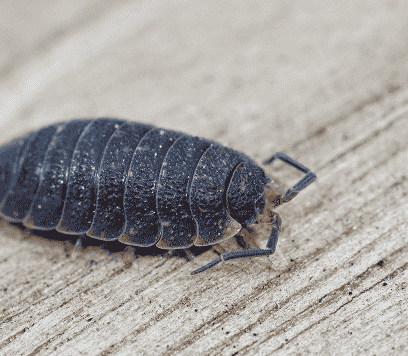
Finally, inspect for foundation gaps after winter. Freeze-thaw cycles can enlarge tiny openings that rodents use to get inside. If you can combine sealing, drainage improvements, and yard cleanup, you will make your property much less attractive to pests.
Which trapping and barrier methods work without chemicals?
For homeowners wanting practical prevention methods, a few non-chemical tools can help. Snap traps are still one of the most effective ways to remove mice quickly when used properly. They work best on active rodent routes and can be part of a broader rodent control plan when placed carefully and checked regularly.
Live traps may be the preferred choice for some homeowners who want a capture-and-release approach, though they require consistent monitoring and safe handling. They do not suit every situation, especially if the infestation is active or the animal has found its way into inaccessible areas. Sometimes, wildlife removal should be left to a professional.
Sticky traps can assist with monitoring and small insect issues, but they are not always the best long-term solution. They are commonly used to verify pest activity rather than to solve the full problem. When using them, place them where non-target animals cannot reach them.
Barrier techniques include door sweeps, mesh covers, chimney caps, vent screens, and sealed utility openings. These methods work best when they are installed consistently across the home. A strong barrier strategy is often the backbone of effective non-toxic pest control because it limits the chances pests have to re-enter.
When should you reach out to a specialist in Ottawa?
Self-managed methods can make a big difference, but there are situations when the best pest control Ottawa choice is a professional inspection and service plan. If you are noticing repeated mouse activity, ongoing ants, signs of bigger rodents, or evidence that pests are in walls or ceilings, a professional can locate hidden access points and customize the response.
This matters even more if you suspect a difficult-to-find entry route, a roof-level infestation, or a situation that needs full rodent exclusion. Companies such as skedaddle Ottawa, abell pest control Ottawa, and mr pest control Ottawa may offer different service styles, but many Ottawa homeowners look for providers that can blend inspection, exclusion, and preventative maintenance without relying on blanket chemical use.
Professional help can also be useful if you want a more thorough home inspection, help with attic or crawlspace issues, or advice on how to prevent seasonal re-entry. If you have already tried cleaning, trapping, and sealing but still see activity, it may be time to call in support before the problem spreads.
How much does pest control Ottawa cost without chemicals?
Pest control Ottawa pricing for chemical-free support depends on the dimensions of the home, the species of pest, the amount of sealing needed, and whether the issue is a one-time removal or an recurring maintenance plan. In many cases, a initial inspection is the first charge, followed by sealing or exclusion work, then optional follow-up visits.
Non-chemical service can often cost more at the start than simple spray-based treatments because it often involves practical labour, thorough inspection, and restoration. However, it can also offer stronger long-term value by cutting down on repeat infestations. That is especially true for rodents, where entry sealing and preventative maintenance are often more important than a lone treatment.
When evaluating services, ask whether the quote includes:
- A thorough inspection of likely entry points.
- Blocking or exclusion work for current gaps.
- Trap placement and monitoring.
- Return visits or ongoing maintenance.
If you are evaluating options from the perspective of long-term home protection, the least expensive service is not always the most cost-effective option. A thorough non-toxic plan can reduce repeat costs and save time over the season.
What should homeowners in Kanata, Orleans, and Barrhaven know?
Neighbourhood conditions matter. Many homeowners searching for pest control Kanata or pest control Kanata Ottawa are dealing with newer subdivisions mixed with green spaces, which can create movement corridors for rodents and wildlife. In pest control Orleans and pest control Barrhaven, homeowners often face similar suburban pressures: landscaped lots, shared fence lines, nearby drainage channels, and seasonal pest movement.
Because Ottawa’s winter weather and spring thaw affect homes across the city, local issues often start outside and move inward. In these communities, pay close attention to garages, basement windows, utility lines, and yard edges where pests may travel unnoticed. If your property backs onto fields, parks, or naturalized areas, your pest pressure may be greater during warmer months and again when temperatures drop.
Local protective measures should be adapted to the layout of the property. This means added care to crawlspaces, attached garages, and basement entrances, as well as a regular check for new cracks after freeze-thaw cycles. In more suburban settings, the more important it is to combine sanitation, exclusion, and seasonal maintenance.
Are there local pest control options in surrounding areas?
Yes. Ottawa homeowners are not limited to central-city providers. Companies such as go pest control Ottawa may reach a broader region, and surrounding communities often have their own local support. If you live outside the core city, you can still find help for chemical-free prevention and rodent control in nearby areas.
For example, pest control Carleton Place, pest control Rockland, and pest control Renfrew are useful for homeowners who want local service with knowledge of rural edges, older homes, and mixed residential properties. These areas can face different pressures than downtown Ottawa, including larger properties, more wildlife interaction, and more opportunities for pests to enter through outbuildings or utility spaces.
If you are reviewing providers, ask whether they focus on non-toxic pest control, inspection-based recommendations, and long-term exclusion methods. That approach is often the best fit for homeowners who want lasting results without relying on harsh chemical treatments.
What can you learn from pest control Ottawa Reddit discussions?
pest control Ottawa Reddit threads can be helpful for understanding real DIY pest control experiences from local homeowners. People often share what worked in their basements, attics, garages, and kitchens, and those homeowner experiences can help you spot common patterns such as mouse activity in winter or ant problems in spring.
That said, online advice should be taken as a starting point, not a complete plan. What works in one home may fail in another because of different entry points, different pest pressure, and different building layouts. Use Reddit discussions to gather ideas, then verify them with a careful inspection and practical follow-up. The strongest results usually come from combining local insight with proven exclusion, sanitation, and monitoring steps.
Frequently Asked Questions
What is the best-performing chemical-free pest control method?
The most reliable chemical-free method is usually integrated pest management, especially when it combines assessment, sanitation, entry-point sealing, and strategic trapping. In Ottawa, this approach works well because freezing temperatures and freeze-thaw cycles often push pests indoors through small gaps. If you close off access, remove food sources, and track activity, you can prevent infestations more reliably than by using one-off treatments.
How do I get rid of mice in Ottawa without poison?
Start with rodent exclusion, then use snap traps or live traps in the right locations. Seal entry points, clean up food debris, store pantry items securely, and reduce clutter where mice can nest. For pest control Ottawa mice problems, it is often necessary to pair home sealing with trap placement and ongoing inspection, especially in winter.
What natural pest control options work best in Canadian homes?
The best options are usually prevention-based: sanitation, food storage, moisture reduction, weather stripping, and barrier methods. These are useful in Canadian homes because they address the conditions pests need to survive. In Ottawa and similar climates, they are especially important during seasonal pest activity and during cold weather when rodents seek indoor shelter.
When is DIY pest control not enough?
DIY pest control is not enough when you have repeated infestations, signs of pests in walls or attic spaces, or a problem that keeps returning after cleaning and trapping. If you cannot identify the main entry points, or if you suspect hidden damage, professional help may be the safer and more effective choice. That is especially true for rodents and larger wildlife removal needs.
Does professional pest control in Ottawa offer non-chemical options?
Yes. Many providers offer inspection-based, non-toxic pest control plans that focus on exclusion, monitoring, and preventative maintenance rather than broad pesticide use. When comparing services such as skedaddle Ottawa, abell pest control Ottawa, and mr pest control Ottawa, ask specifically about chemical-free pest control, rodent-proofing, and follow-up support. A good provider should explain how they will prevent pests from returning, not just how they will remove them once.